Every year, without fail, Congress passes a bill that rarely leads the evening news but quietly reshapes military policy, national security law, and, increasingly, rules that reach into everyday civilian life. That bill is the National Defense Authorization Act, or NDAA. If you've seen the term in headlines and skipped past it, it's worth a second look, because the NDAA does far more than fund tanks and warships.
What Is the NDAA, Exactly?
The National Defense Authorization Act is an annual federal law that sets the budget, expenditures, and policy priorities for the U.S. Department of Defense. It has been passed every year since 1961, making it one of the most consistent pieces of legislation Congress produces. The House and Senate Armed Services Committees draft it, each chamber passes its own version, and the two are reconciled into a single bill before heading to the president's desk.
It's important to note the NDAA is an authorization bill, not an appropriations bill. It sets policy and recommends funding levels; a separate defense appropriations bill actually releases the money. Think of the NDAA as the rulebook, and the appropriations bill as the checkbook.
Why the NDAA Matters for Video Surveillance
Here's a part of the NDAA that most people have never heard of, even though it's reshaped an entire industry: the security camera ban.
Back in 2019, Congress used the NDAA to ban a specific list of foreign camera and telecom manufacturers, deemed national security risks, from being used anywhere in the federal government. This rule is known as Section 889, and the easiest way to think about it is a "no-buy list" for surveillance equipment. If a camera, DVR, or telecom system comes from one of the flagged manufacturers (or their subsidiaries), the federal government simply isn't allowed to purchase or use it. That rule, called Part A, kicked in on August 13, 2019.
Then, a year later, the rule got a lot stronger. A follow-up rule, Part B, said the government won't even do business with a company if that company uses banned cameras somewhere in its own building, regardless of what it's actually selling to the government. In other words: it's no longer just "don't sell us these cameras." It became "don't even have these cameras running in your own office, or we won't work with you at all."
That second part is why this rule ended up mattering so much, so fast. It doesn't just affect camera companies. It affects:
- Government contractors of any kind, who now have to check their own building's security cameras before they can win a federal contract
- Universities and school districts that receive federal funding
- Hospitals and other organizations connected to federal dollars
Because of this, "NDAA-compliant" became a phrase you'll now see stamped on camera and security equipment everywhere, it simply means the product is confirmed to be free of the banned brands and safe to use anywhere federal rules apply.
Why you should care: if your organization is anywhere near a government building, a federal contract, or federal funding, this isn't a minor technicality. It decides which camera brands you're legally allowed to install at all.
What Comes Next
Congress doesn't pause once one NDAA is signed. Posture hearings for the Fiscal Year 2027 defense authorization request were already underway across the armed services committees by spring 2026, covering everything from missile defense to the Space Force to enterprise cybersecurity. The NDAA cycle is continuous: as soon as one year's bill becomes law, work on the next begins.
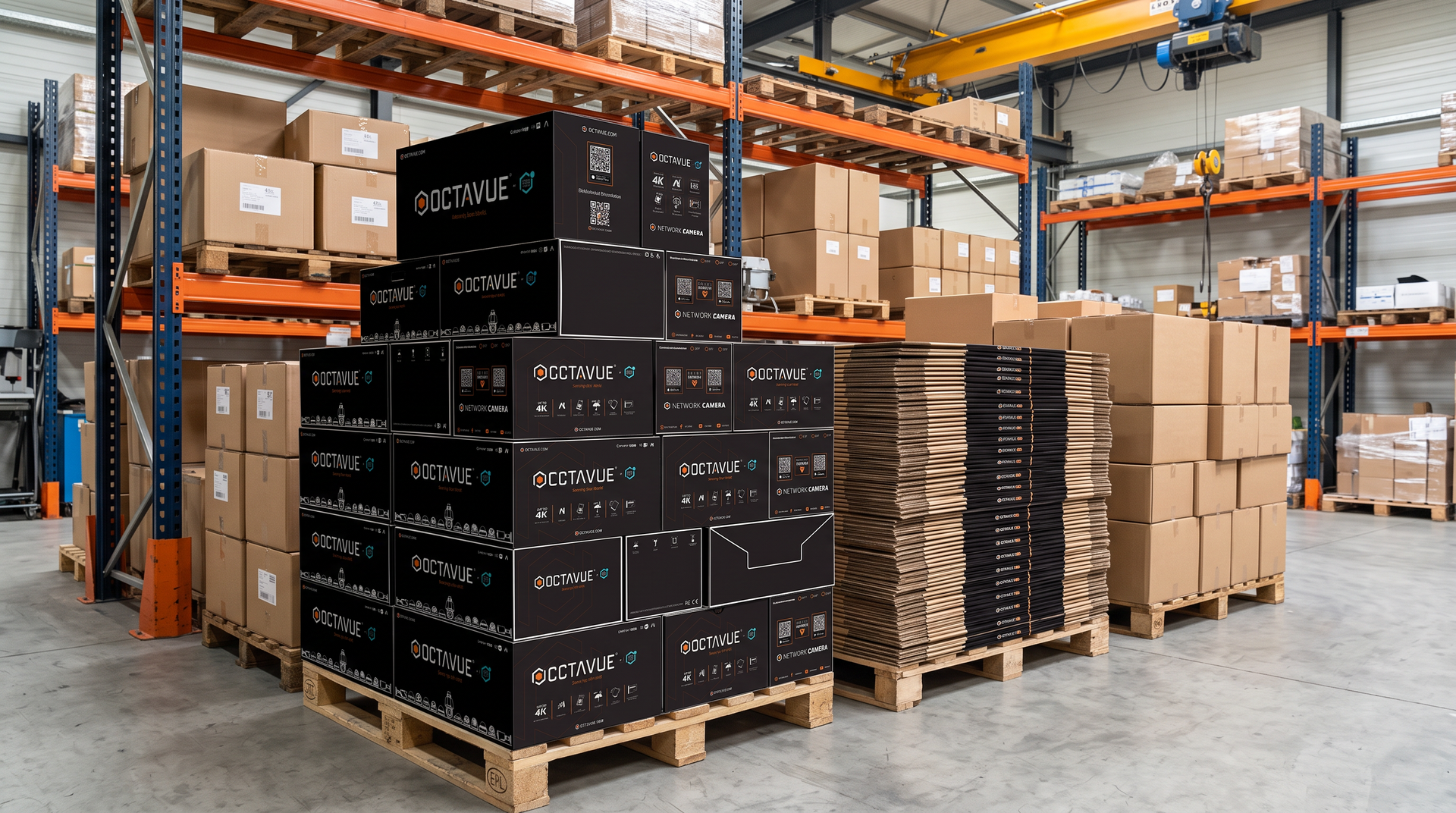
All out products stay compliant
G.S.D Group stays compliant
The NDAA isn't just Pentagon paperwork. It funds and governs the U.S. military down to troop pay and equipment purchases, and it has quietly reshaped an entire industry through its video surveillance procurement ban.
We maintain a documented list of NDAA-compliant products across the G.S.D Group portfolio, meeting Section 889 requirements of the U.S. National Defense Authorization Act regarding prohibited manufacturers and components. This ensures our surveillance solutions are eligible for federal, government, and critical infrastructure deployments.
We care about quality just as much as we care about compliance, and we hold our solutions to a high standard on both. If you're working in a regulated sector, we'll make sure you know exactly which products meet NDAA requirements.